


Castor oil has earned recognition as one of nature’s most versatile therapeutic compounds. This rich, pale-yellow oil comes from the seeds of the Ricinus communis plant and is great for your skin, hair, and digestion. Whether you’re seeking natural remedies for constipation, hair growth solutions, or skin care enhancement, castor oil provides scientifically-backed results that have made it a staple in households worldwide.
This comprehensive guide examines castor oil’s chemical composition, proven health benefits, proper usage methods, and essential safety considerations. You’ll discover why this ancient remedy continues to deliver modern therapeutic value and how to incorporate it safely into your wellness routine.
Understanding Castor Oil: Origins and Composition
Castor oil originates from the castor bean plant (Ricinus communis), which thrives in tropical and subtropical regions globally. The extraction process involves pressing the seeds to release their oil content, yielding a viscous liquid with distinctive properties.
The oil’s therapeutic power stems from its unique chemical composition. Ricinoleic acid comprises approximately 85-95% of castor oil’s fatty acid content, making it the primary active compound responsible for the oil’s medicinal properties. This rare hydroxylated fatty acid distinguishes castor oil from other vegetable oils and accounts for its anti-inflammatory, antimicrobial, and moisturizing effects.
Other parts are oleic acid (2–6%), linoleic acid (1–5%), and lower amounts of palmitic and stearic acids. This specific composition creates castor oil’s characteristic thick consistency and extended shelf life.
Historical Significance and Traditional Uses
Ancient civilizations recognized castor oil’s therapeutic potential thousands of years ago. Egyptian medical papyri from 1500 BCE document its use for eye irritations and as a laxative. Greek and Roman physicians prescribed castor oil for digestive ailments and skin conditions.
Traditional medicine systems across cultures have utilized castor oil extensively. Ayurvedic practitioners in India (where castor oil is known as “arandi ka tel” in Urdu and Hindi) employed it for joint pain, skin disorders, and digestive issues. Traditional Chinese medicine incorporated castor oil for reducing inflammation and promoting healing.
Castor Oil In Urdu
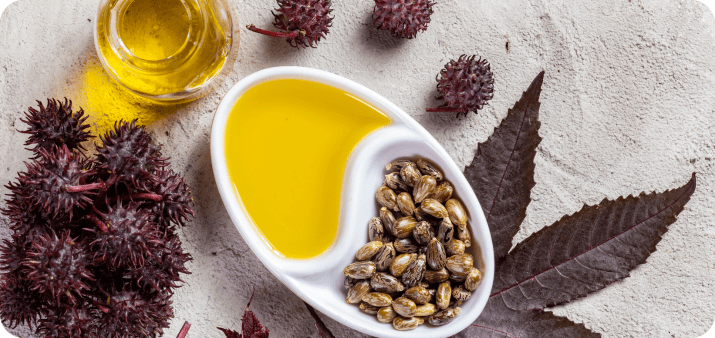
کاسٹر آئل، جسے ارنڈی کا تیل بھی کہا جاتا ہے، ایک مفید اور کثیر الاستعمال تیل ہے جو ارنڈی کے بیجوں سے نکالا جاتاہے۔ اس کا سب سے اہم جزو ریسینیلیک ایسڈ ہے، جو ایک منفرد ہائیڈروکسیلیٹڈ فیٹی ایسڈ ہے۔ یہ کمپاؤنڈ کاسٹر آئل کی طبی خصوصیات کے لیے ذمہ دار ہے، جن میں اس کی اینٹی انفلامیٹری، اینٹی مائکروبیل، اور موئسچرائزنگ خصوصیات شامل ہیں۔ مزید یہ کہ، اس میں اولیک ایسڈ، لائنولیک ایسڈ، اور چند دیگر فیٹی ایسڈز کی تھوڑی مقداریں شامل ہوتی ہیں، جو اس کے گاڑھے پن اور لمبی شیلف لائف کو جواز فراہم کرتی ہیں۔ کاسٹر آئل جلد اور بالوں کے مسائل کے لیے نہایت مؤثر سمجھا جاتا ہے اور جڑی بوٹیوں کی دوا میں اسے خاص مقام حاصل ہے
Proven Health Benefits of Castor Oil
Digestive Health and Constipation Relief
Castor oil for constipation remains one of its most well-documented applications. When consumed orally, ricinoleic acid stimulates intestinal muscle contractions, promoting bowel movements within 2-6 hours. The FDA recognizes castor oil as a stimulant laxative for occasional constipation relief.
Recommended dosage for adults: Adults should take 15 to 60 cc (1 to 4 tablespoons) on an empty stomach. Children require significantly smaller doses under medical supervision.
Castor Oil Benefits for Skin
The oil’s emollient properties make it exceptional for skin care applications:
- Deep moisturization: Castor oil gets deep into the skin, keeping it hydrated for a long time.
- Anti-inflammatory effects: Ricinoleic acid alleviates skin inflammation and irritation.
- Antimicrobial protection: Natural compounds inhibit bacterial and fungal growth
- Wound healing support: Castor oil may speed up the healing of tissue when applied to the skin.
Clinical studies demonstrate castor oil’s effectiveness in treating dry skin conditions, minor wounds, and inflammatory skin disorders.
Castor Oil Benefits for Hair
Hair care represents another significant application area:
- Scalp nourishment: Massaging castor oil into the scalp improves blood circulation and delivers nutrients to hair follicles
- Moisture retention: The oil coats hair strands, reducing dryness and brittleness
- Growth promotion: While scientific evidence remains limited, anecdotal reports suggest regular use may support hair growth
Castor Oil for Eyelashes
Many individuals apply castor oil to eyelashes seeking length and thickness enhancement. There isn’t much research on this, but the oil’s hydrating characteristics might make your lashes look and feel better.
Application method: Use a clean mascara wand or cotton swab to apply a small amount along the lash line before bedtime.
Specialized Applications and Methods

Castor Oil in Belly Button
Applying castor oil to the navel area is a traditional treatment that is said to have health advantages throughout the body. While scientific evidence supporting this specific application method is limited, the practice continues in various cultural traditions.
Castor Oil During Pregnancy
Historically, castor oil has been used to induce labor, but this practice carries significant risks. Medical care is necessary since castor oil can cause serious cramps, dehydration, and other problems. Pregnant women should consult healthcare providers before using castor oil for any purpose.
Safety Considerations and Side Effects
Despite its natural origin, castor oil requires careful use to avoid adverse effects:
Common castor oil side effects include:
- Nausea and vomiting
- Abdominal cramping
- Diarrhea
- Dehydration
- Electrolyte imbalances
Contraindications:
- Intestinal obstruction
- Acute abdominal pain
- Pregnancy (without medical supervision)
- Chronic constipation requiring medical evaluation
Topical application precautions:
- Perform patch tests before widespread use
- Avoid contact with eyes and mucous membranes
- Discontinue use if irritation develops
Proper Usage Guidelines
For constipation relief:
- Take on an empty stomach
- Follow with adequate water intake
- Limit use to occasional episodes
- Consult healthcare providers for chronic issues
For skin applications:
- Cleanse skin before application
- Apply thin layers to avoid clogging pores
- Remove excess oil after treatment periods
For hair care:
- Warm oil slightly for easier application
- Massage into scalp using circular motions
- Cover with shower cap for deep conditioning
- Shampoo thoroughly to remove residue
Frequently Asked Questions
How long does it take for castor oil to act on constipation?
Castor oil typically produces bowel movements within 2-6 hours of consumption.
Can castor oil be used daily?
Daily oral use is not recommended due to potential side effects. Topical applications may be used more frequently with proper skin monitoring.
Is castor oil safe for children?
Children require significantly smaller doses and medical supervision. Consult pediatric healthcare providers before use.
What’s the difference between cold-pressed and processed castor oil?
Cold-pressed castor oil retains more nutrients and is preferred for therapeutic applications.
Making Informed Decisions About Castor Oil
Castor oil offers legitimate therapeutic benefits backed by both traditional use and scientific research. Its effectiveness for constipation relief, skin moisturization, and hair care makes it a valuable addition to natural health approaches.
However, responsible use requires understanding proper dosages, recognizing contraindications, and consulting healthcare providers when necessary. Quality matters significantly—choose cold-pressed, hexane-free products from reputable suppliers to ensure therapeutic efficacy and safety.
Start with small amounts to assess individual tolerance, and remember that natural doesn’t automatically mean risk-free. When used appropriately, castor oil can provide effective, natural solutions for various health and beauty concerns.


