

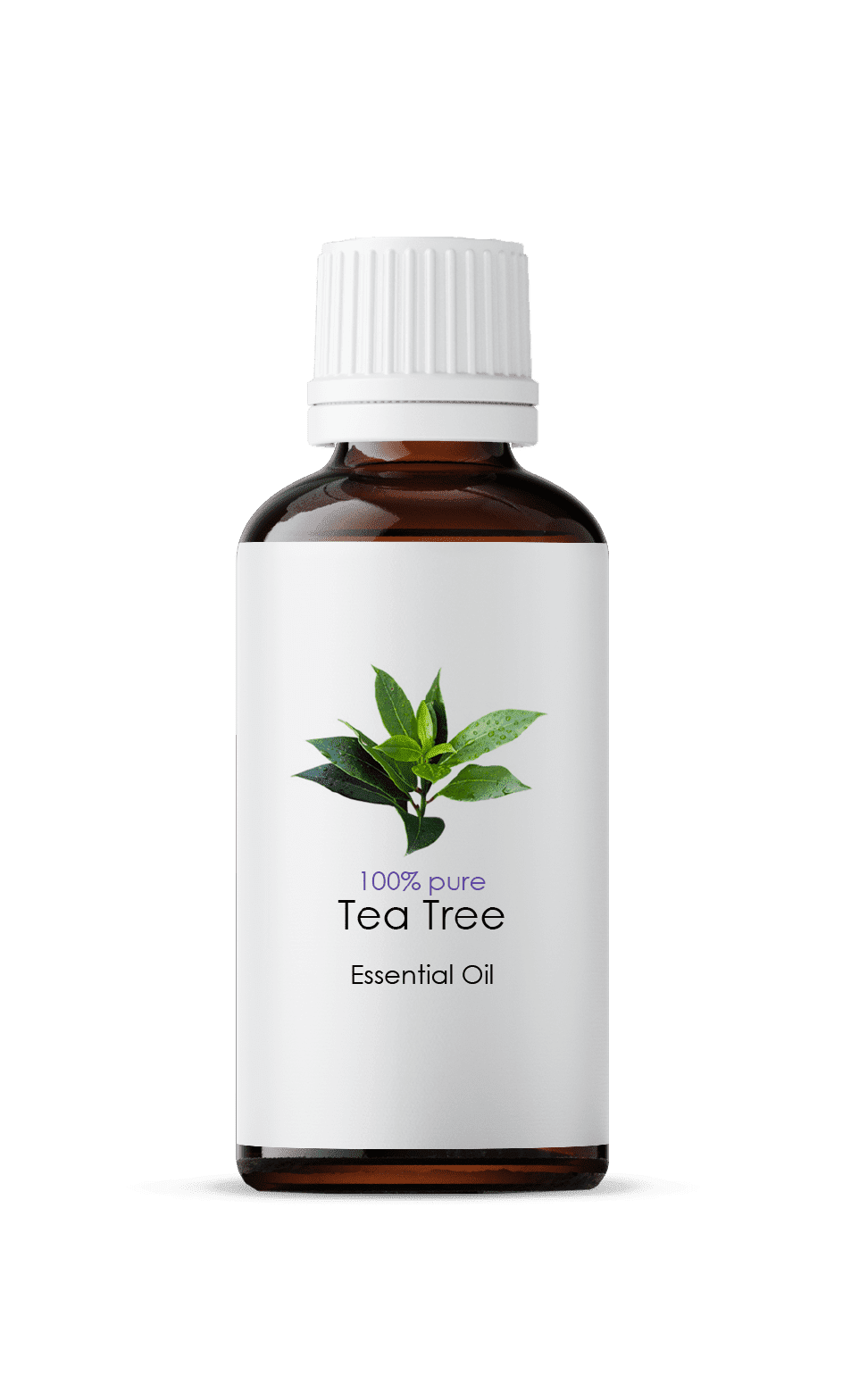
Description
Extracted from the leaves of the Melaleuca alternifolia tree, tea tree oil is renowned for its
potent antimicrobial and anti-inflammatory properties. Widely used in skincare, it
effectively treats acne, soothes irritation, and reduces redness. Its antifungal properties
make it beneficial for addressing dandruff and other scalp conditions in hair care,
promoting unclogged hair follicles and healthy hair growth.
Benefits: Aromatic, Soothing, Calming and relaxing.
Category: Essential oil
Application: Skin, body and hair care products
INCI: Melaleuca alternifolia (Tea Tree) Leaf Oil
Uses: Tea tree oil comes from the leaves of Melaleuca alternifolia.
Tea tree oil contains a number of compounds, including terpinen-4-ol, that have been shown to kill certain bacteria, viruses and fungi.
Terpinen-4-ol also appears to increase the activity of your white blood cells, which help fight germs and other foreign invaders.
These germ-fighting properties make tea tree oil a valued natural remedy for treating bacterial and fungal skin conditions, preventing infection and promoting healing.
- Tea tree oil makes an ideal natural hand sanitizer. Studies have shown that it kills several common bacteria and viruses responsible for causing illness, including E. coli, S. pneumoniae and H. influenzae.
- Tea tree oil has been shown to kill or repel insects. In some cases, it is as effective or more effective than standard insecticides or repellents.
- Tea tree oil contains compounds that fight bacteria responsible for body odor. It can be used to make a safe and effective deodorant.
- Injuries that result in broken skin make it easy for germs to enter your bloodstream, which can lead to infection.
Tea tree oil can be used to treat and disinfect minor cuts and abrasions by killing S. aureus and other bacteria that can cause infection in open wounds.
- In addition to preventing infection in cuts and abrasions, tea tree oil may also encourage wound healing.
Research has shown that tea tree oil helps reduce inflammation and triggers the activity of white blood cells that are instrumental in the healing process.
- Gels containing tea tree oil have been shown to reduce the number of lesions and severity of acne in a number of studies.
- Tea tree oil appears to be as effective against fungal nail infections as antifungal medications applied to the area.
- Tea tree oil may help relieve inflamed skin. A common form of skin irritation is contact dermatitis, which occurs when skin comes in contact with an allergen, such as nickel. Exposure to the allergen leads to red, itchy and sometimes painful skin.
Animal and human research suggest that applying tea tree oil may help reduce the severity of these symptoms.
In a study comparing the effects of different treatments for contact dermatitis, tea tree oil was found to reduce symptoms by 40%, which was significantly more than standard medications applied to the skin.
In addition, tea tree oil may provide relief from bug bite reactions by reducing the itching, redness and swelling that occurs when your body releases histamine to defend against the insect’s saliva.
- Although research is limited, one study suggests that tea tree oil may help reduce the severity of dandruff and improve other symptoms.
- Tea tree oil contains compounds that help fight the growth of mold on fruits and vegetables. Adding tea tree oil to water when rinsing produce may help your produce remain mold-free.
- Psoriasis is an autoimmune condition characterized by outbreaks of red, itchy, scaly skin.Although there are medications that can improve symptoms, the condition itself is chronic and there is no known cure.
Tea tree oil contains anti-inflammatory compounds, which, according to emerging evidence, may be helpful for easing psoriasis symptoms..
To provide relief for psoriasis flares, combine 10–15 drops of tea tree oil with two tablespoons of melted coconut oil. Apply this to the affected area 2–3 times per day, as needed.



Reviews
There are no reviews yet.