


Avocado oil has emerged as one of the most versatile and beneficial oils available today. Whether you’re seeking healthier cooking alternatives, natural skincare solutions, or hair care remedies, this nutrient-rich oil offers remarkable benefits that extend far beyond the kitchen. Understanding what makes avocado oil special can help you make informed decisions about incorporating this powerhouse ingredient into your daily routine.
This comprehensive guide explores everything you need to know about avocado oil, from its origins and production methods to its diverse applications and health benefits. You’ll discover why this “liquid gold” has captured the attention of health enthusiasts, beauty experts, and culinary professionals worldwide.
The Origins and History of Avocado Oil
Avocados have been cultivated for thousands of years, with evidence suggesting their use dating back to 8000 BCE in Central America. The Aztecs treasured avocados not only as food but also recognized their medicinal properties. They extracted oil from the fruit’s flesh and used it for various therapeutic purposes.
Modern avocado oil production began in the 20th century when commercial extraction methods were developed. Today, countries like Mexico, Peru, Chile, and New Zealand lead global production, with each region contributing unique characteristics to their oil based on climate, soil conditions, and avocado varieties.
The growing popularity of avocado oil reflects our increasing awareness of healthy fats and natural ingredients. As consumers seek alternatives to highly processed oils, avocado oil stands out for its minimal processing requirements and exceptional nutritional profile.
How Avocado Oil is Produced
Understanding avocado oil production helps you appreciate its quality and choose the best products. The process typically involves several key steps:
Cold-pressing represents the highest quality extraction method. Fresh avocado flesh is mechanically pressed without heat, preserving the oil’s natural nutrients, flavor, and color. This method produces extra virgin avocado oil, similar to extra virgin olive oil.
Refined avocado oil undergoes additional processing to remove impurities and extend shelf life. While this process reduces some nutrients, it creates a neutral-tasting oil with a higher smoke point, making it excellent for high-temperature cooking.
The quality of avocado oil depends heavily on the fruit’s ripeness, processing time, and storage conditions. Premium oils are extracted from perfectly ripe avocados and processed within hours of harvesting to maximize nutrient retention.
Nutritional Composition and Health Benefits
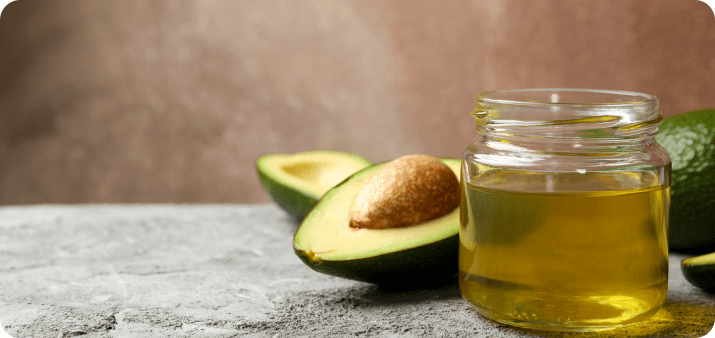
Avocado oil’s impressive nutritional profile explains its growing reputation as a superfood ingredient. Rich in monounsaturated fats, particularly oleic acid, it supports heart health and helps your body absorb fat-soluble vitamins.
Key nutrients include:
- Vitamin E: A powerful antioxidant that protects cells from damage
- Vitamin K: Essential for blood clotting and bone health
- Potassium: Supports heart function and muscle contractions
- Lutein: Promotes eye health and may reduce age-related vision problems
The oil’s high antioxidant content helps combat inflammation and oxidative stress. These properties make avocado oil beneficial for both internal health and external applications on skin and hair.
Culinary Applications and Cooking Benefits
Avocado oil excels in the kitchen due to its high smoke point and neutral flavor profile. With a smoke point of approximately 520°F (271°C), it remains stable at high temperatures, making it ideal for various cooking methods.
Versatile cooking applications include:
- High-heat cooking: Perfect for sautéing, grilling, and roasting without breaking down
- Salad dressings: Creates smooth, emulsified dressings with excellent nutritional benefits
- Baking: Serves as a healthy substitute for butter or other oils in recipes
- Marinades: Helps tenderize proteins while adding subtle richness
The neutral taste of refined avocado oil makes it suitable for delicate dishes where you don’t want the oil to overpower other flavors. Extra virgin varieties offer a subtle, buttery taste that enhances rather than masks food flavors.
How to Use Avocado Oil
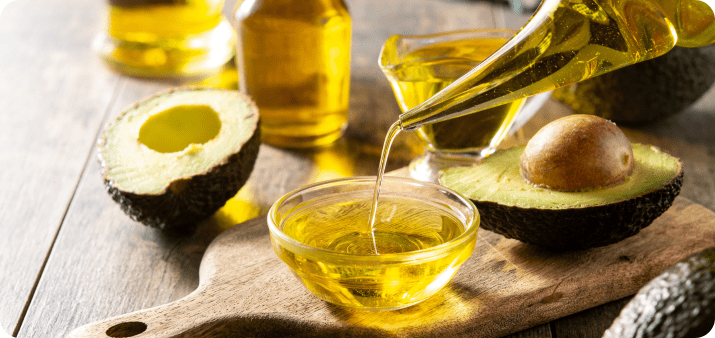
Avocado oil is incredibly versatile and easy to incorporate into your daily cooking routine. Here are some popular ways to use it:
Sautéing and Stir-Frying: With its high smoke point, avocado oil is ideal for cooking at higher temperatures. Use it to sauté vegetables or stir-fry proteins without worrying about the oil breaking down.
Salad Dressing Base: Whisk together avocado oil with vinegar, lemon juice, or mustard to create fresh and creamy dressings. Its smooth texture blends effortlessly with other ingredients.
Roasting Vegetables: Toss your favorite vegetables in avocado oil before roasting to help them achieve a tender and caramelized finish.
Drizzling: Add a gourmet touch by drizzling a little extra virgin avocado oil over soups, pasta, or grilled dishes for extra flavor and a shine.
Baking Substitute: Replace butter or other oils in baking recipes with avocado oil for a healthier alternative that keeps baked goods moist and flavorful.
Homemade Marinades: Use avocado oil as a base for marinades to tenderize meats, fish, or tofu while infusing them with a subtle richness.
Whether you’re an experienced chef or just discovering its uses, avocado oil is a fantastic staple that supports healthier, flavorful meals.
Beauty and Skincare Benefits
Avocado oil’s moisturizing and healing properties make it an exceptional ingredient for skincare routines. Its molecular structure allows deep penetration into skin layers, delivering nutrients where they’re needed most.
Skin benefits include:

- Deep moisturization: Provides long-lasting hydration without clogging pores
- Anti-aging properties: Supports collagen production and reduces appearance of fine lines
- Healing support: Helps repair damaged skin and soothes irritation
- Sun protection: Offers mild natural SPF protection when used topically
For hair care, avocado oil benefits extend from scalp health to strand strengthening. Regular use can improve hair texture, reduce breakage, and add natural shine. Many people apply avocado oil to their hair as a deep conditioning treatment or use it to tame frizz and flyway’s.
Avocado Oil vs. Other Cooking Oils
Understanding how avocado oil compares to other popular cooking oils helps you make informed choices for your specific needs.
Compared to olive oil, avocado oil offers a higher smoke point and more neutral flavor, making it better for high-heat cooking. Both oils provide healthy monounsaturated fats, but avocado oil contains more vitamin E.
Against coconut oil, avocado oil provides more versatility in cooking applications. While coconut oil solidifies at room temperature, avocado oil remains liquid, making it easier to use in dressings and marinades.
Versus vegetable oils, avocado oil offers superior nutritional benefits and stability. Most commercial vegetable oils are highly processed and contain fewer beneficial compounds than cold-pressed avocado oil.
Storage and Safety Considerations
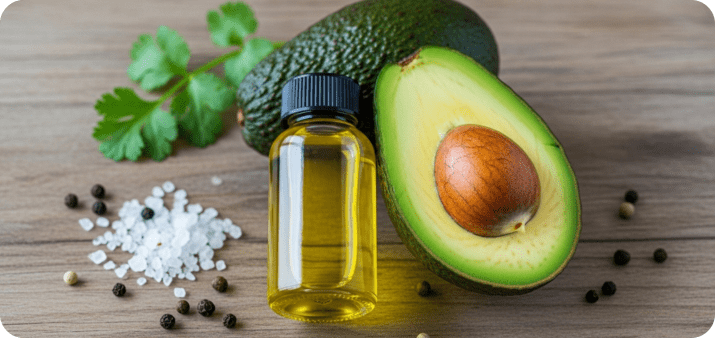
Proper storage ensures your avocado oil maintains its quality and beneficial properties. Store opened bottles in cool, dark places away from direct sunlight and heat sources. Dark glass bottles or tins provide better protection than clear containers.
Storage tips:
- Keep bottles tightly sealed when not in use
- Store in pantry or cupboard rather than near stoves
- Use within 12-18 months of opening for best quality
- Refrigeration isn’t necessary but can extend shelf life
High-quality avocado oil should have a fresh, clean smell and clear appearance. Rancid oil develops an unpleasant odor and bitter taste, indicating it should be discarded.
Choosing the Right Avocado Oil
Selecting quality avocado oil requires attention to several key factors. Look for oils that specify their extraction method, with cold-pressed or extra virgin varieties offering the highest nutrient content.
Quality indicators include:
- Clear labeling of extraction method
- Dark glass or tin packaging for light protection
- Certification from reputable organizations
- Country of origin information
Consider your intended use when choosing between refined and unrefined options. Refined oils work better for high-heat cooking, while extra virgin varieties excel in applications where you want to preserve maximum nutrients and flavor.
Frequently Asked Questions

Is avocado oil good for hair growth?
Avocado oil benefits for hair include nourishing the scalp and strengthening hair follicles, which can support healthy hair growth. Its vitamins and minerals provide essential nutrients that hair needs to grow strong and healthy.
Can I use avocado oil in my belly button?
Some traditional practices involve applying oils to the belly button for health benefits, though scientific evidence is limited. If you choose to try this, use small amounts of high-quality, cold-pressed avocado oil.
Is avocado oil a neutral oil?
Refined avocado oil is considered neutral due to its mild flavor and high smoke point. Extra virgin varieties have a slightly buttery taste but are still relatively neutral compared to oils like sesame or coconut.
What’s the meaning of avocado oil in different languages?
Avocado oil meaning varies by language, but it consistently refers to oil extracted from avocado fruit. In Urdu, it’s often called “avocado ka tail” or described by its benefits and uses.
Making Avocado Oil Part of Your Healthy Lifestyle
Avocado oil represents an excellent investment in your health and culinary adventures. Its versatility, nutritional benefits, and practical applications make it a valuable addition to any kitchen or beauty routine.
Whether you’re looking to upgrade your cooking oils, enhance your skincare regimen, or explore natural hair care solutions, avocado oil offers a simple yet effective solution. Start with small quantities to test your preferences, and gradually incorporate this liquid gold into various aspects of your daily routine.
The key to maximizing avocado oil benefits lies in choosing high-quality products and using them consistently. As you explore its many applications, you’ll likely discover new ways to enjoy this remarkable natural ingredient.


